
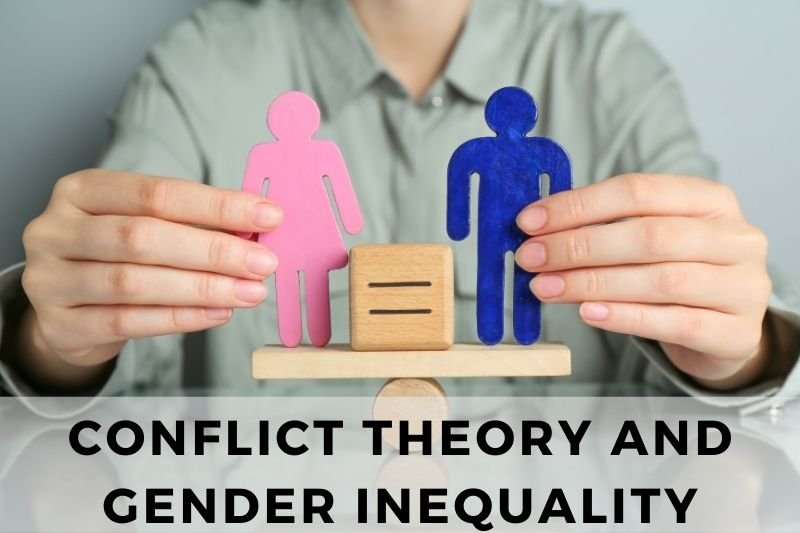
What drives gender inequality in today’s society? Many theories attempt to explain this issue, but one of the most compelling is conflict theory. This perspective focuses on the power struggles between different social groups. It suggests that inequality, including gender inequality, is not accidental but is shaped by power imbalances.
By examining these imbalances, we can better understand how gender roles are maintained and how they impact both individuals and society. In this article, we will explore conflict theory and its connection to gender inequality, looking at the forces that sustain these social issues.
Understanding Conflict Theory
Definition and Key Concepts
Conflict theory, rooted in the work of Karl Marx, focuses on the idea that society is structured around power struggles between different groups. These groups compete for resources, status, and influence. Conflict theory suggests that inequality arises from the dominance of one group over another. This dominance is often reinforced through social institutions like education, government, and media. In the context of gender inequality, conflict theory emphasizes that power dynamics between men and women contribute to the unequal distribution of resources and opportunities.
Historical Context and Development
Conflict theory has its origins in the works of Karl Marx, who argued that societal conflicts are driven by economic interests. Over time, this theory expanded to include other forms of inequality, such as race, class, and gender.
- Karl Marx and the focus on class struggles: Marx’s theory of class struggles laid the groundwork for understanding inequality as a result of power disparities. According to Marx, those who control the means of production dominate society, and this control extends to various aspects of life, including the distribution of wealth and power.
- Max Weber and the broader view of power: Max Weber expanded on Marx’s ideas, introducing the concept of social stratification. He argued that inequality was not only about economic power but also about status and prestige. Weber’s insights were key to understanding how power dynamics shape social structures, including gender relations.
- Modern conflict theorists and the intersection of gender: More recent theorists have applied conflict theory to gender inequality. Feminist scholars, for example, argue that patriarchy—systematic male dominance—is a central feature of society and that women’s oppression is rooted in the control men have over resources and power.
Gender Inequality: An Overview
Definition of Gender Inequality
Gender inequality refers to the unequal treatment or perceptions of individuals based on their gender. It manifests in various aspects of society, including the workplace, education, politics, and family roles. This inequality often results from societal norms, cultural beliefs, and historical practices that assign different values to different genders. For example, women in many countries earn less than men for the same work, and there is a persistent underrepresentation of women in leadership positions. This inequality is not limited to women; gender minorities also face significant barriers. In some cultures, men may be subject to restrictive expectations related to masculinity, limiting their emotional and social freedoms.
Gender inequality is often perpetuated through socialization processes. From a young age, individuals are taught to adhere to specific gender roles, which can restrict personal growth and limit opportunities. In the workplace, for instance, women are often expected to take on caregiving roles, which can limit their career advancement. Similarly, men may face social pressure to avoid professions considered “feminine,” such as nursing or teaching. These deeply ingrained expectations contribute to a cycle of inequality, where gender shapes individuals’ life choices and opportunities from an early age.
Current Trends in Gender Inequality
Despite significant strides in gender equality, gender inequality continues to persist in many areas globally. Women, on average, still earn less than men, and they are underrepresented in decision-making roles across many sectors, including politics and business. In many countries, women still lack basic legal rights and access to education. Gender-based violence remains a widespread issue, with millions of women worldwide experiencing physical, emotional, and sexual abuse. These trends are not limited to developing countries; even in more economically advanced regions, gender inequality is still prevalent. For example, women in the United States make up nearly half of the workforce but hold only a fraction of executive positions.
The intersection of gender and other social inequalities often exacerbates the problem. Women of color, for example, face compounded discrimination based on both their gender and race. This intersectionality means that the barriers they encounter are more complex and multifaceted. In many regions, LGBTQ+ individuals, particularly transgender women, face significant challenges in accessing basic healthcare, education, and employment opportunities. This highlights the importance of viewing gender inequality not as a standalone issue, but as one that intersects with other forms of social stratification and discrimination, requiring a more nuanced approach to address effectively.
The Intersection of Conflict Theory and Gender Inequality
Power Dynamics in Gender Relations
Power dynamics play a central role in understanding gender inequality through the lens of conflict theory. Men have historically held more power in many societies, controlling resources, political influence, and decision-making processes. This power imbalance is often reflected in societal structures, such as the family unit, workplaces, and government. Men’s dominance in these spheres perpetuates gender-based inequality. For instance, men are more likely to be in leadership roles in corporations and politics, while women are often confined to subservient roles or are overlooked for promotions and opportunities. This unequal distribution of power prevents women from accessing the same resources and opportunities, reinforcing the cycle of inequality.
In addition to economic and political power, men also exert control over cultural and social norms that shape gender expectations. These norms dictate what is deemed acceptable behavior for men and women, often reinforcing gender stereotypes that limit individual freedom and opportunities. For example, the idea that men must be the primary breadwinners, while women should stay at home or work in lower-paying jobs, stems from these power dynamics. The patriarchal structures in place ensure that these gender norms continue to persist, maintaining the power imbalance that keeps women disadvantaged in many aspects of society.
Economic Factors Contributing to Gender Inequality
Economic factors are significant drivers of gender inequality. The gender wage gap is one of the most visible examples, with women consistently earning less than men for doing the same work. This discrepancy is rooted in both structural factors and societal attitudes toward women’s labor. Many industries that are predominantly female, such as caregiving or teaching, are undervalued and underpaid compared to male-dominated fields like engineering or finance. Additionally, women are often expected to take on more unpaid labor, such as child-rearing or housework, which reduces their ability to participate in the formal economy. This contributes to their economic dependency on male counterparts, further reinforcing gender inequality.
The lack of affordable childcare, paid family leave, and workplace discrimination also contribute to economic disparities between men and women. In many countries, policies regarding maternity leave and flexible working hours are insufficient, making it difficult for women to balance family responsibilities with their careers. As a result, women often face career interruptions, leading to lower wages and fewer advancement opportunities. This economic disadvantage also affects women’s ability to accumulate wealth, further perpetuating inequality across generations. Thus, economic structures that fail to support gender equality contribute to the persistence of gender inequality in the workforce and beyond.
Social Structures and Gender Roles
Social structures and the roles assigned to each gender are key factors in perpetuating gender inequality. From a young age, individuals are socialized into their respective gender roles, which dictate how they should behave, what careers they should pursue, and how they should engage in society. For example, girls may be encouraged to play with dolls and be nurturing, while boys are urged to play with trucks and be assertive. These early socialization processes limit individuals’ choices and often lead to gendered career paths, reinforcing gender inequality. Women, for instance, are often funneled into lower-paying jobs in education, healthcare, and retail, while men dominate higher-paying industries like technology and finance.
In addition to family and education, other social institutions like the media and religion play a critical role in reinforcing gender norms. The portrayal of women in the media often emphasizes beauty and caregiving, while men are depicted as strong, independent, and successful. Religious teachings in some cultures also reinforce traditional gender roles, where women are seen as subordinate to men. These societal expectations limit individual freedom and contribute to the maintenance of a gender hierarchy that benefits men while restricting women’s opportunities and power. These entrenched gender roles help maintain the status quo of inequality in both public and private spheres.
Closing Thoughts
Gender inequality remains a pervasive issue, deeply rooted in power dynamics, economic factors, and entrenched social structures. By applying conflict theory, we gain valuable insights into how these inequalities are maintained and perpetuated. Understanding the intersection of gender and power allows us to address systemic barriers that limit opportunities for women and gender minorities.
While progress has been made in many areas, significant work remains. It is essential for societies to challenge these inequalities through policy change, cultural shifts, and greater representation across all sectors, ensuring that future generations can thrive in an environment of true equality.