
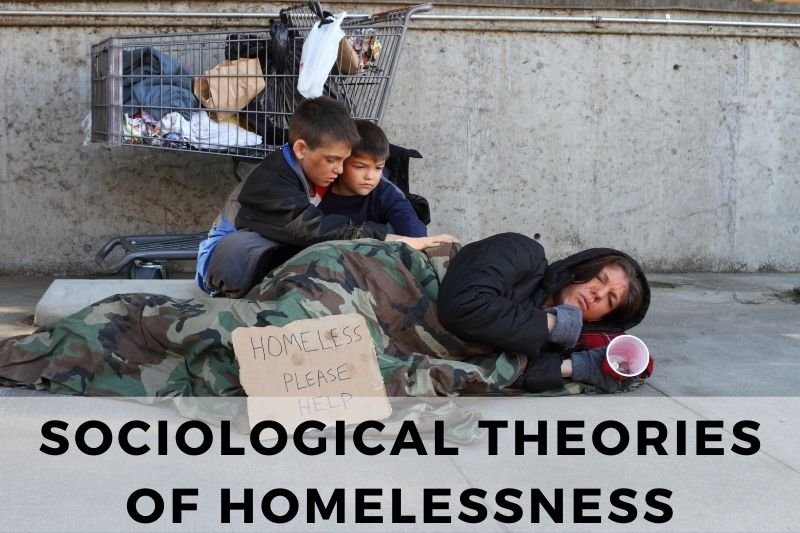
What causes homelessness, and why does it persist in societies with abundant resources? Sociological theories offer valuable insights into this complex issue. By examining the underlying causes and societal impacts, these theories help us understand the factors that lead to homelessness.
They also provide frameworks for addressing the problem effectively. In this article, we will explore the major sociological theories of homelessness, shedding light on different perspectives that contribute to a more comprehensive understanding of the issue.
Overview of Sociological Theories
Definition of sociological theories
Sociological theories are frameworks that help explain social phenomena and human behavior in society. These theories examine how various factors such as culture, institutions, and structures shape individuals’ actions and societal outcomes. They serve as tools to analyze patterns of behavior and social problems. In the case of homelessness, sociological theories provide different perspectives on the causes, implications, and potential solutions. These frameworks allow for a deeper understanding of how societal structures and individual actions interact to create or exacerbate homelessness. By exploring these theories, we can develop more targeted policies and interventions aimed at addressing the root causes of homelessness.
Relevance to understanding homelessness
Sociological theories are crucial in understanding homelessness because they highlight the structural, social, and psychological factors that contribute to it. These theories explore the role of economic inequality, social norms, and institutional failures in perpetuating homelessness. For instance, structural functionalism might point to the failure of societal systems to provide for vulnerable populations, while conflict theory could highlight the power imbalances that lead to disenfranchisement. By applying sociological theories, we can not only explain why homelessness exists but also explore practical solutions for alleviating it. Understanding these theories is key to developing effective social policies that address homelessness from multiple angles.
Major Sociological Theories of Homelessness
Structural Functionalism
Key Concepts
- Interconnected Institutions: Structural functionalism sees society as a web of institutions—family, education, healthcare, and the economy—that must operate in harmony. When one of these institutions fails, the impact ripples through the system.
- Social Roles and Expectations: People are expected to occupy roles (worker, parent, student), and society relies on individuals fulfilling them. If someone becomes unemployed or sick, their inability to meet these expectations signals dysfunction.
- Institutional Failure: Homelessness arises when institutions do not effectively support individuals. For example, a lack of access to mental health services can lead to untreated illness, unemployment, and housing loss.
- Restoration Through Reform: Functionalists argue that homelessness can be reduced by restoring institutional effectiveness—expanding public housing, ensuring healthcare access, and creating job opportunities.
How It Explains Homelessness
From this perspective, homelessness is not primarily caused by individual failure but by systemic malfunction. For instance, when economic downturns occur and job loss rises, the resulting strain on families and individuals can lead to homelessness. A weak safety net exacerbates this risk. Functionalist analysis highlights that homelessness disrupts the social fabric—individuals without homes cannot perform societal roles effectively. Furthermore, homelessness can create visible disorder in communities, leading to social concern and calls for reform. Solutions rooted in this theory focus on repairing the system by funding social programs, strengthening family units, and increasing institutional coordination to reduce vulnerability.
Conflict Theory
Key Concepts
- Resource Control: Conflict theory sees society as dominated by elite groups who control resources—wealth, housing, political influence—at the expense of others.
- Capitalism and Profit: Homelessness is seen as a consequence of an economic system that puts profit over human need. High rent, limited housing supply, and low wages keep people precariously housed.
- Social Inequality: Structural inequalities—such as racism, sexism, and classism—create barriers to housing and income. These factors disproportionately affect marginalized populations.
- Criminalization of Poverty: Laws targeting homeless behaviors (sleeping in public, panhandling) are not meant to help but to control and exclude homeless individuals from public life.
How It Explains Homelessness
According to conflict theory, homelessness is the direct result of economic injustice. The rich accumulate wealth and property while the poor struggle to afford basic necessities. Housing becomes a commodity rather than a human right. Cities often invest in beautification and surveillance rather than shelters or services, protecting property values instead of people. For example, urban redevelopment often leads to gentrification, displacing low-income residents. Conflict theory also highlights how systemic discrimination—such as the racial wealth gap—makes certain groups more likely to become homeless. The solution, in this view, lies in redistributing power through policy change, fair wages, affordable housing, and inclusive urban planning.
Symbolic Interactionism
Key Concepts
- Stigma and Stereotyping: Homeless individuals are often labeled as dangerous, irresponsible, or mentally ill. These labels shape how others treat them and how they see themselves.
- Self-Identity: When people are labeled and excluded, they may begin to accept these roles, affecting their confidence and ability to escape homelessness.
- Micro-Level Interactions: Everyday interactions—being ignored, insulted, or harassed—reinforce social exclusion and despair.
- Social Support Networks: Loss of social connections—family, friends, community—can lead to or prolong homelessness. Rebuilding trust and belonging is key.
How It Explains Homelessness
Symbolic interactionism focuses on the lived experience of homelessness. It explains how identity is shaped through interaction. For example, a person constantly treated with suspicion may internalize shame and avoid seeking help. This isolation deepens their situation. Labeling can also affect public policy; if homelessness is seen as a result of personal failure, society may not invest in systemic solutions. Recovery-oriented programs informed by this theory aim to change social interactions and rebuild self-worth. Peer-based support groups, community engagement, and trauma-informed care help individuals regain a sense of identity and purpose, encouraging reintegration into society.
Social Constructionism
Key Concepts
- Constructed Definitions: Homelessness is not only a lack of shelter—it is defined by societal norms. Some cultures count only those sleeping on the streets, while others include overcrowded or unstable housing situations.
- Influence of Language: Words like “vagrant” or “transient” carry negative connotations and influence how the public and policymakers respond to the homeless.
- Role of Media and Discourse: News reports, movies, and political rhetoric shape how homelessness is understood—either as a social problem or a threat.
- Policy Implications: Definitions influence funding, eligibility for services, and public support. A narrow definition may exclude many people in need.
How It Explains Homelessness
Social constructionism shows that homelessness is shaped by how society chooses to define and talk about it. For example, the U.S. Department of Housing and Urban Development (HUD) uses a specific definition that may leave out people living in motels or couch-surfing. This limits access to services for those not officially “counted.” If the dominant narrative presents homelessness as a moral failing, policies may focus on punishment rather than assistance. On the other hand, defining it as a systemic issue can open the door to more compassionate and comprehensive responses. Changing the public narrative is a key step toward lasting change.
Closing Thoughts
Sociological theories provide valuable frameworks for understanding homelessness, offering insights into the structural, social, and psychological factors that contribute to this issue. Each theory—whether structural functionalism, conflict theory, symbolic interactionism, or social constructionism—sheds light on different aspects of homelessness and offers unique solutions.
By integrating these perspectives, society can develop more effective approaches to tackling homelessness, addressing not just the symptoms but also the underlying causes. Recognizing the complexity of homelessness through these theories is essential in creating policies and interventions that can truly make a difference for individuals experiencing homelessness.