
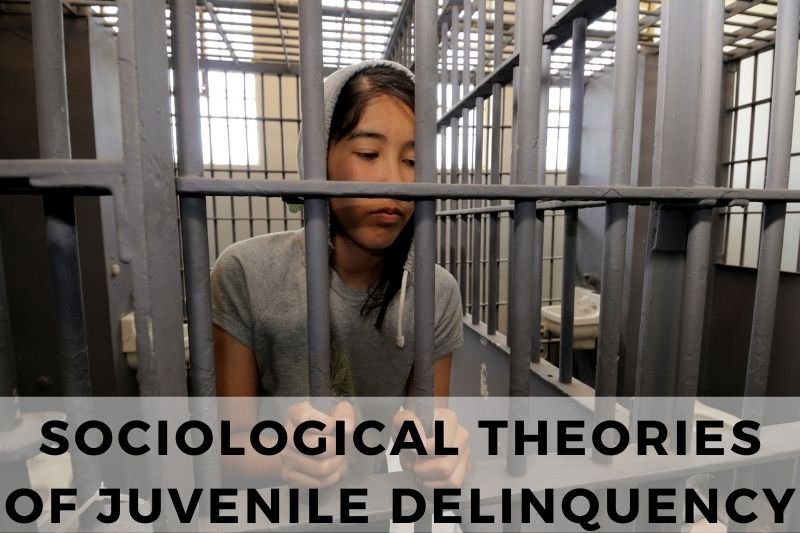
Why do some young people break the law while others do not? This question drives much of the research on juvenile delinquency. Sociological theories offer useful explanations. They focus on how social environments shape behavior. These theories explore the impact of family, peers, schools, and communities. They help explain why certain groups face higher risks of delinquency.
Understanding these theories is important for prevention and policy. Each theory provides a different lens for examining youth crime. This article reviews key sociological theories of juvenile delinquency and their practical relevance.
Overview of Sociological Theories
Sociological theories aim to explain how societal factors influence individual behavior. They argue that delinquency is not simply the result of poor personal choices, but rather a complex interaction between individuals and their social environment. These theories explore the social structures, relationships, and institutions that shape behavior. For example, the family, peer groups, and schools play significant roles in either encouraging or discouraging deviant behavior. The idea is that individuals are influenced by the norms and values of the groups to which they belong. Social forces, such as poverty or lack of education, can increase the likelihood of youth involvement in crime.
By focusing on societal influences, sociological theories emphasize the role of socialization. Socialization is the process through which people learn the values, behaviors, and norms of their society. In the case of juveniles, this process is shaped by interactions with family, peers, and other community members. If these interactions are negative or lead to exposure to crime, a juvenile may be more likely to adopt delinquent behaviors. For instance, a child growing up in a neighborhood where crime is prevalent may see criminal behavior as normal or even necessary for survival. These theories provide a broader understanding of delinquency, moving beyond individual shortcomings to consider how society contributes to the problem.
Major Sociological Theories of Juvenile Delinquency
Strain Theory
Key Concepts
- Societal Goals: Society sets certain expectations for success, such as wealth, social status, and material possessions. These goals are often portrayed as attainable for anyone through hard work and perseverance.
- Blocked Opportunities: Not everyone has equal access to the means or resources required to achieve these societal goals. Factors such as poverty, lack of education, and family instability can hinder one’s ability to meet societal expectations.
- Strain: When individuals face obstacles that prevent them from achieving success, they experience strain. This frustration can build over time, leading individuals to feel powerless and disconnected from mainstream societal values.
- Deviant Coping: In response to strain, individuals may resort to deviant or criminal behavior as an alternative way to achieve their goals. Rather than adhering to lawful means, they may turn to methods that offer quicker or more accessible ways to attain what they desire.
Application to Juvenile Delinquency
Strain Theory is particularly relevant to juvenile delinquency because young people often face a unique set of challenges and pressures related to societal expectations. Adolescents, especially in low-income or underprivileged environments, may struggle to meet the same goals that others take for granted. For example, a teenager from a disadvantaged background may see education as a means to success, but due to poor schooling systems and family issues, may feel that academic success is unattainable. In the absence of these legitimate means, the teen may turn to crime, such as stealing or selling drugs, as a way to achieve some form of social or financial success. These behaviors, though criminal, are seen by the individual as a way to meet societal standards of success that are otherwise out of reach. This is a direct application of Strain Theory—frustration leads to deviant coping mechanisms when traditional pathways to success are blocked.
Social Learning Theory
Key Concepts
- Observation: People, especially children and adolescents, learn behaviors by observing the actions of others in their social environment. The people they observe can be family members, friends, peers, or media influences.
- Imitation: Once a behavior is observed, individuals are likely to imitate it, particularly if they see positive outcomes from the behavior. This imitation occurs more readily when the observed behavior is performed by someone whom the individual admires or is closely connected with.
- Reinforcement: Social Learning Theory emphasizes that behaviors are reinforced when they are rewarded or not punished. When a deviant act, such as stealing, results in positive outcomes (like material gain or peer admiration), the behavior is more likely to be repeated.
- Peer Influence: Adolescents are especially susceptible to peer influence. If a teenager is surrounded by peers who engage in criminal behavior and those behaviors are rewarded, they are more likely to adopt those behaviors as their own. Peer groups play a significant role in shaping an individual’s views and behaviors.
Application to Juvenile Delinquency
Social Learning Theory highlights the influence of peers and family in shaping juvenile delinquency. For example, a teenager who grows up in a neighborhood where gang activity is common may observe gang members engaging in illegal activities. If these individuals receive rewards, such as money or respect, for their criminal acts, the teenager may begin to view such behavior as acceptable or even desirable. The more they interact with these peers, the more likely they are to imitate their behaviors. Additionally, if the teen’s family or community members condone or engage in similar activities, the cycle of deviant behavior becomes further entrenched. Social Learning Theory helps explain how delinquency can be learned through exposure to criminal role models and positive reinforcement from peers and society.
Control Theory
Key Concepts
- Social Bonds: Control Theory emphasizes the importance of social bonds in preventing delinquency. These bonds are the emotional and psychological connections individuals have to institutions like family, school, and society. When these bonds are strong, individuals are less likely to engage in criminal behavior because they value their relationships and have something to lose.
- Attachment: Attachment refers to the emotional ties an individual has to others, such as parents, teachers, and friends. Strong attachments to prosocial individuals discourage delinquency because the person does not want to disappoint those they are close to.
- Commitment: Commitment involves the degree to which an individual is invested in conventional activities, such as education or work. The more committed an individual is to socially accepted goals (like earning a diploma or pursuing a career), the less likely they are to risk their future by engaging in deviant behavior.
- Involvement: Involvement refers to the amount of time an individual spends participating in conventional, socially acceptable activities. Youths who are involved in structured, positive activities (like sports or clubs) have less idle time, which reduces the likelihood of engaging in delinquency.
- Belief: Belief refers to the acceptance of societal norms and laws. When individuals strongly believe in the importance of rules and laws, they are less likely to engage in delinquent acts. This belief in the legitimacy of authority figures helps deter deviant behavior.
Application to Juvenile Delinquency
Control Theory suggests that juveniles with weak social bonds are more prone to delinquent behavior. For example, a teenager who feels disconnected from their family, struggles academically, and lacks involvement in positive extracurricular activities may feel little attachment to societal norms. Without the strong connections to family or a belief in the value of education, the teen may not see the point in adhering to conventional behaviors. Instead, they may turn to delinquent acts like vandalism, theft, or drug use, as these activities offer an alternative to conventional success. Strengthening social bonds—by fostering stronger family relationships, supporting academic engagement, and providing opportunities for positive social involvement—can help reduce delinquency by giving juveniles more to lose.
Labeling Theory
Key Concepts
- Deviant Labeling: Labeling Theory suggests that when individuals are branded as “deviant” or “delinquent,” they may come to accept and internalize this label as part of their identity. This label can have lasting effects on how they view themselves and how they are treated by others.
- Self-Fulfilling Prophecy: Once labeled, individuals may begin to act in ways that align with the label placed on them. This is known as the self-fulfilling prophecy, where the label causes individuals to embrace their deviant status and engage in further deviant behavior.
- Social Reaction: Labeling Theory places a strong emphasis on the societal response to deviance. The way society reacts to an individual’s behavior (e.g., through stigmatization, punishment, or exclusion) can influence the individual’s future behavior.
- Stigmatization: Being labeled as “criminal” or “delinquent” can lead to social rejection. The individual may find it more difficult to form positive relationships or gain access to opportunities, which can lead them to further deviant behavior as they feel isolated or marginalized.
Application to Juvenile Delinquency
Labeling Theory is particularly applicable to juvenile delinquency, as many youths face societal rejection after committing minor offenses. For instance, a teenager who is arrested for shoplifting may be labeled a “criminal” by teachers, peers, and family members, even if it was a one-time incident. This label can carry significant consequences, including discrimination and a lack of future opportunities. As a result, the teen may begin to view themselves as a delinquent and feel compelled to continue engaging in criminal behavior, as they see no way out of the label placed on them. This process of stigmatization and subsequent self-fulfilling prophecy is a key aspect of how labeling contributes to ongoing delinquency.
Cultural Deviance Theory
Key Concepts
- Subculture Norms: Cultural Deviance Theory suggests that delinquency arises when individuals or groups adopt the values and behaviors of a subculture that is in opposition to mainstream societal norms. These subcultures may develop in response to economic hardship or social exclusion.
- Cultural Values: Within certain subcultures, behaviors like theft, violence, or drug use may be normalized or even celebrated. These behaviors are seen as acceptable means of survival or attaining respect within that subculture.
- Social Environment: The environment in which an individual is raised plays a crucial role in shaping their values and behaviors. Communities that experience poverty, limited opportunities, and high crime rates often foster subcultures where delinquent behavior is more common.
- Alternative Pathways: Youths raised in these subcultures may see deviant behavior as a viable alternative to conventional, law-abiding behavior. They may adopt these behaviors not out of inherent malice, but because they are taught that these actions are necessary or acceptable in their environment.
Application to Juvenile Delinquency
Cultural Deviance Theory is often used to explain juvenile delinquency in impoverished or marginalized communities. For example, a young person living in a neighborhood where gang activity is widespread may learn from their surroundings that criminal behavior is the norm. In these environments, joining a gang or engaging in illicit activities may be viewed as necessary for social survival or protection. These behaviors, which may involve stealing, drug dealing, or even violence, are seen as acceptable within the subculture. The theory suggests that, instead of being inherently delinquent, these youths are simply adapting to the values and norms of their environment, which promotes deviance as a survival mechanism.
Comparative Analysis of Theories
Strengths and Weaknesses of Each Theory
| Theory | Strengths | Weaknesses |
|---|---|---|
| Strain Theory | – Focuses on societal pressures that lead to criminal behavior, especially in disadvantaged groups. This highlights the connection between inequality and crime. | – Overemphasizes external factors and doesn’t account for individual responses to strain. Not all individuals in disadvantaged circumstances turn to delinquency. |
| Social Learning Theory | – Explains how delinquency is learned through interactions with peers, family, and community, making it relevant to adolescence. This highlights the social nature of crime. | – Ignores internal or biological factors that may influence behavior. The theory doesn’t fully explain why some people are more susceptible to learning deviant behavior than others. |
| Control Theory | – Highlights the role of strong social bonds in preventing delinquency. It suggests that individuals are less likely to engage in crime if they have strong connections to family, school, and society. | – Doesn’t explain why individuals with weak bonds may still refrain from delinquency. Not all people with weak social bonds necessarily commit crimes, as some might find other coping mechanisms. |
| Labeling Theory | – Explains how society’s reaction to deviance can reinforce and perpetuate delinquency. The theory addresses the social consequences of being labeled as a criminal, often leading to a self-fulfilling prophecy. | – Overfocuses on societal reaction, neglecting the causes of the initial deviant behavior. It doesn’t explore why some individuals continue delinquent behavior even without societal labeling. |
| Cultural Deviance Theory | – Offers insights into how subcultures that reject societal norms may lead to delinquent behavior. It helps explain why some communities or groups are more prone to criminal behavior than others, based on shared values and norms. | – Too deterministic, implying that environment completely dictates behavior, without considering personal agency. It assumes that all individuals in a subculture will engage in delinquency, ignoring individual choices and variations. |
| Strain Theory | – Provides a clear link between social inequality and juvenile delinquency. The theory emphasizes how the pressure to achieve societal goals without access to the necessary resources can push individuals toward crime. | – Doesn’t fully explain why some individuals experiencing strain choose positive coping mechanisms instead of delinquency. Many people face strain but do not resort to criminal behavior, showing that individual differences matter. |
Real-World Implications
- Strain Theory: Policies focused on reducing poverty, improving education, and providing employment opportunities can alleviate the strain on youth, leading to lower rates of delinquency.
- Social Learning Theory: Interventions that emphasize positive role models and mentorship, particularly from family and peers, can help redirect youth from delinquent paths by reinforcing good behaviors.
- Control Theory: Strengthening social bonds through community programs, family engagement, and encouraging youth participation in extracurricular activities can prevent delinquency by enhancing attachment to prosocial institutions.
- Labeling Theory: Shifting toward restorative justice practices rather than punitive measures can prevent labeling youth as “delinquents,” allowing for better chances of reintegration and reducing recidivism.
- Cultural Deviance Theory: Addressing underlying social issues, such as economic inequality and access to quality education, can reduce the influence of delinquent subcultures and provide youth with better opportunities for success.
Closing Thoughts
Understanding the sociological theories of juvenile delinquency offers valuable insights into the complex factors that contribute to criminal behavior among youth. Each theory provides a unique perspective, emphasizing different aspects like societal pressures, social learning, and the importance of social bonds.
While no single theory offers a complete explanation, combining elements from multiple perspectives can help create more effective prevention and intervention strategies. By focusing on both individual and environmental factors, society can better support at-risk youth and reduce juvenile delinquency, fostering healthier communities for future generations.